Photo Tips for Beginners
Here is some simple advice for beginners. Following it you will be able to make your photos considerably better.
Your picture will be more interesting if you have some plot within it. You can come closer or use your camera's zoom.
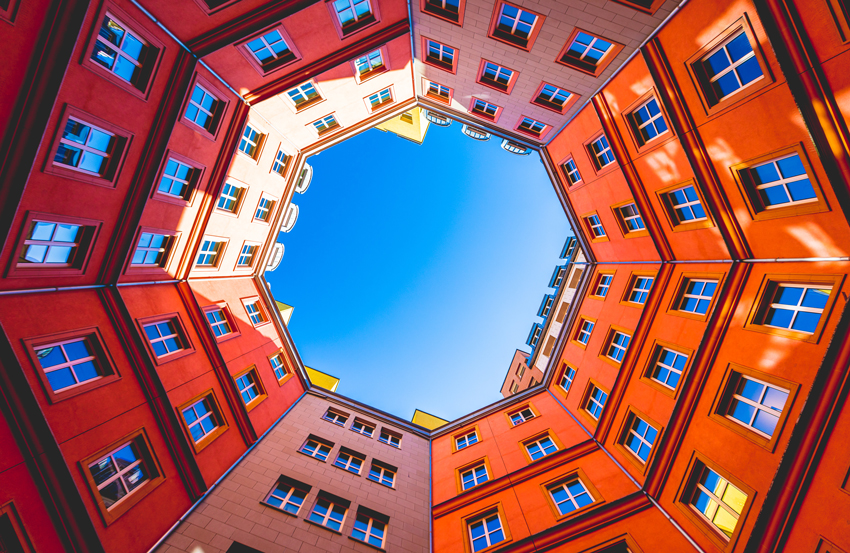
Eye-Catching Photo
When shooting landscape leave some detail in the frame for it to catch the eye, it can be a twig, a grass stem, or a human being. If there's nothing around, try changing your shooting point or just ask your friend to have a picnic in front of the camera.
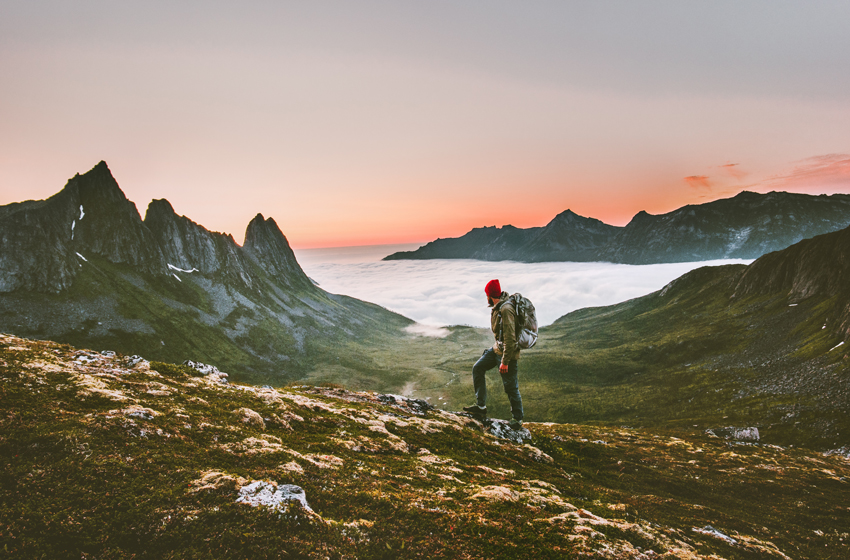
Interesting Landscape
Don't do this - the resulting picture is boring.
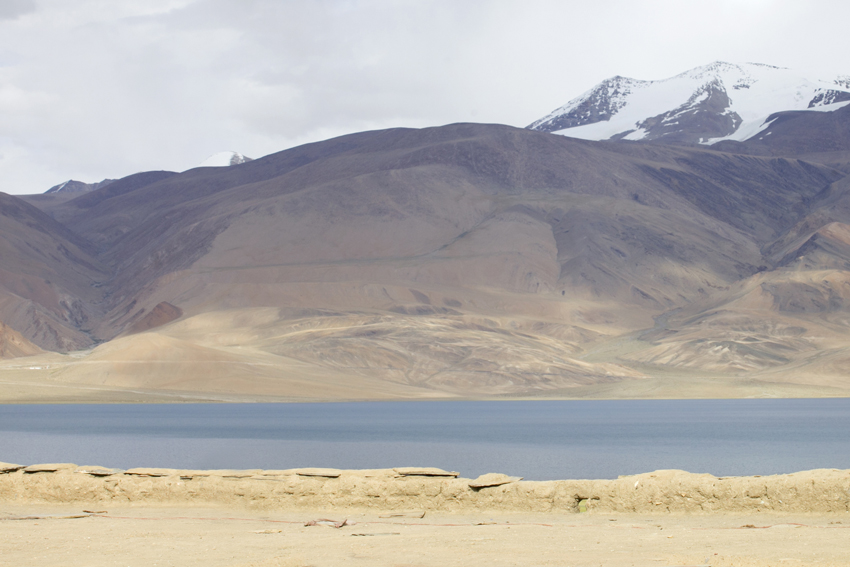
Boring Landscape
Try to avoid shooting objects that merge with the background.

Butterfly Merged with Background
Find another shooting point or a more distinct background. Make the shadow of the object emphasize it or limit the depth of field.
You should also avoid bright lights or color spots, as they will deter attention from the subject.

Сontrasting Background
The sky or sea line is best of all when it is one third from the top or bottom line.
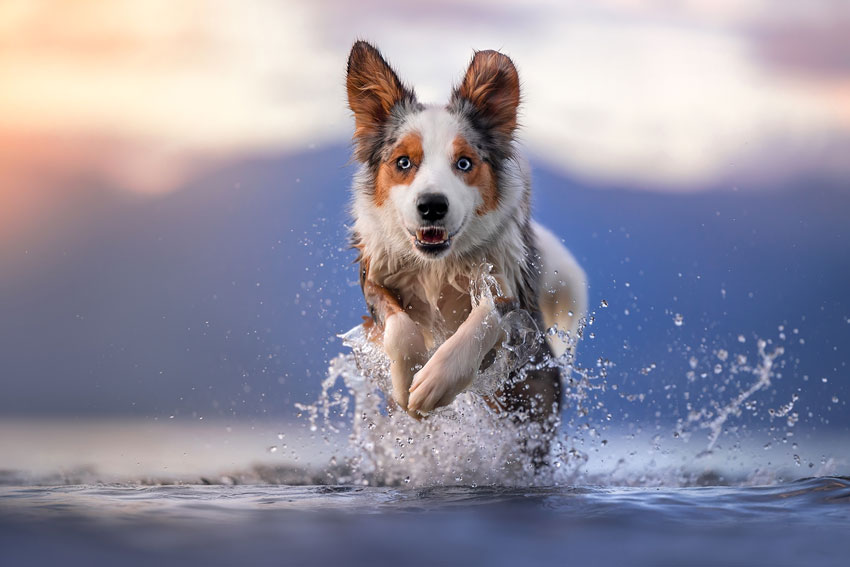
Sea Line
Don't make your picture symmetrical unless there's some particular purpose.
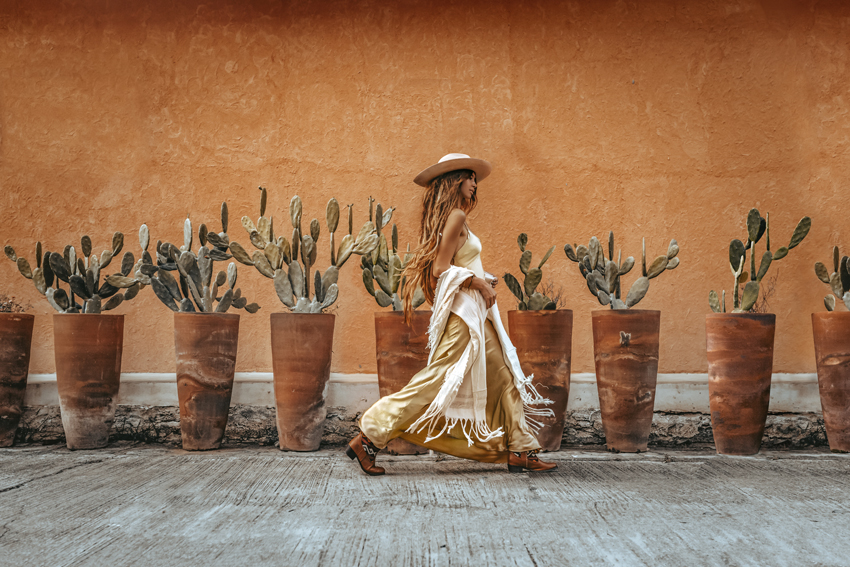
Symmetry
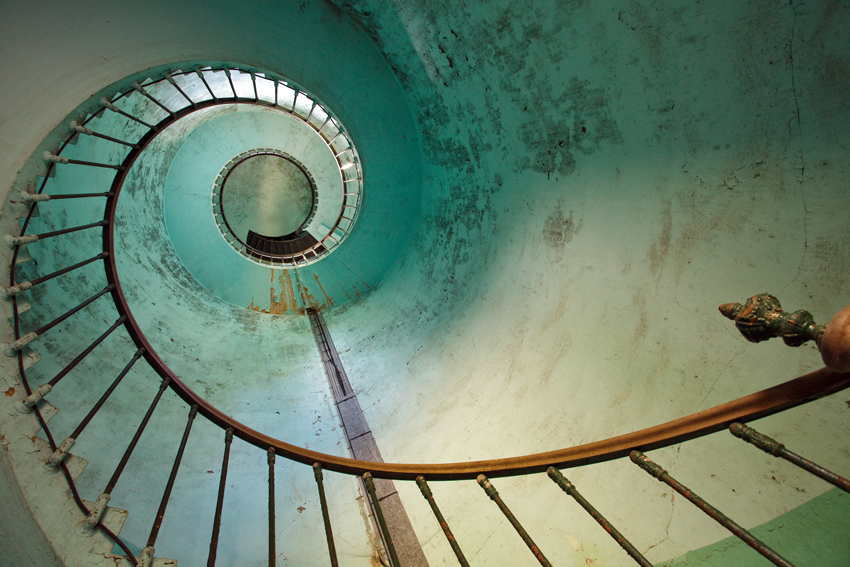
Skewness
Use windows, arches, branches etc. to frame the picture plot. Frames can also hide unwanted detail or fill boring sky, and give additional volume to your picture as well.
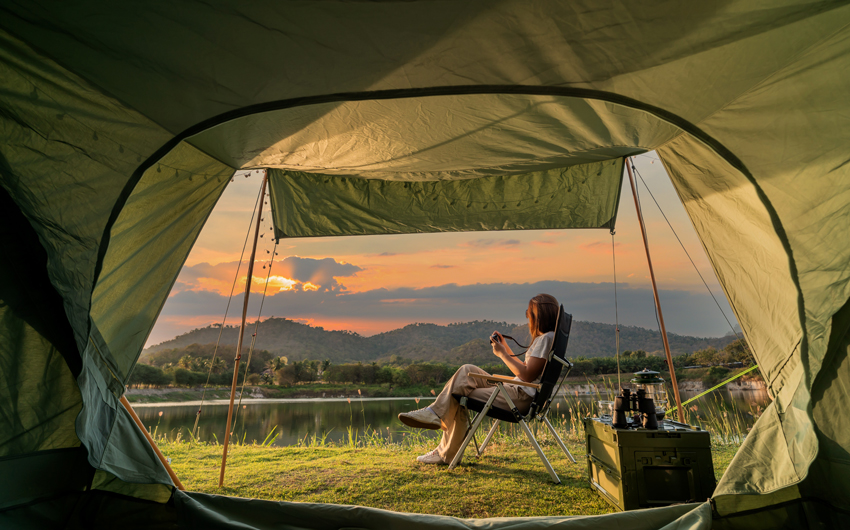
Shooting Through Objects
Try to keep the left and right parts of the picture in balance. It is easy to check if they do: imagine your picture is standing on a finger point.
Don't bend the skyline without purpose. Keep in mind that an askew sea line is especially offending to the eye.
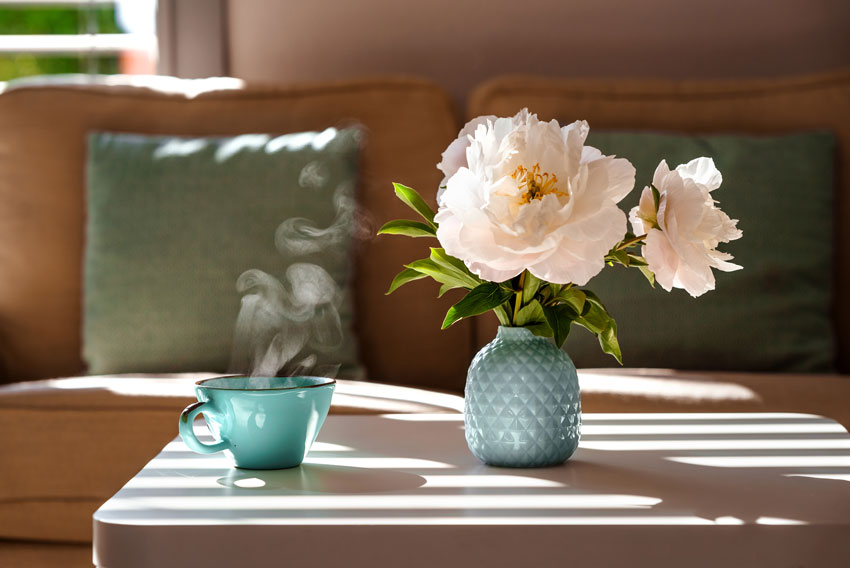
Balance Rule
When shooting at high exposure values you can accentuate the speed of the movement by blurring either the subject or the background. Or just get some other interesting results.
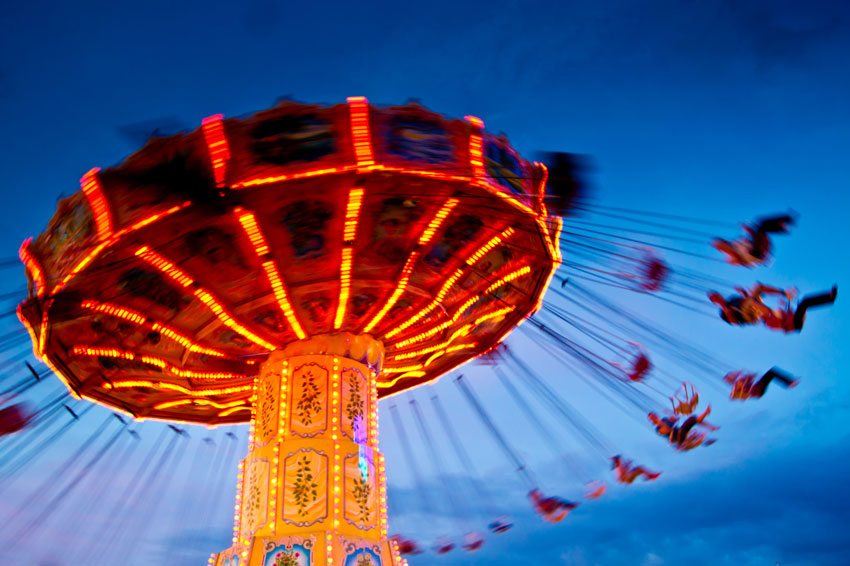
Blurred Motion
Try not to tilt your camera up or down - it can result in rather uncomfortable perspective distortions, especially with long-focused lenses. When taking photos of buildings use special Shift-lenses.
When making a close-up portrait keep your camera at eye-level. With full figure portraits have it at breast or waistline - thus you'll avoid "short leg" effect.
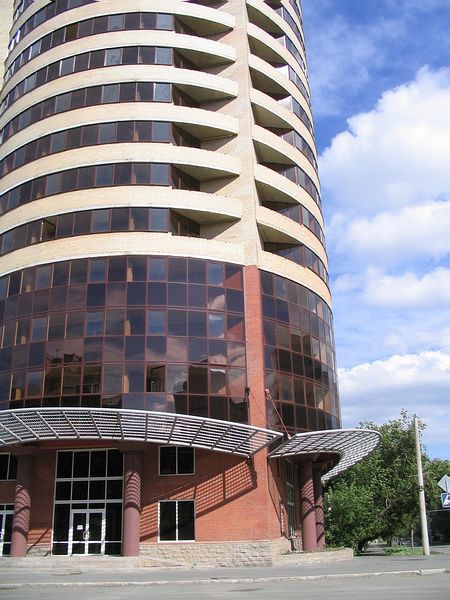
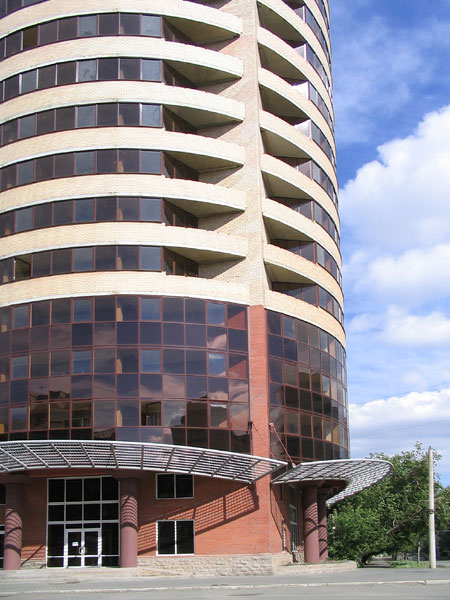
Front lighting (from within the back of the photographer) will kill your volume. Built-in flashes do it best of all. Use soft lateral and rear-lateral illumination.
Interestingly, the flash can be very useful when you take your photos on a bright sunny day - it can help to illuminate deep shadows from beneath.
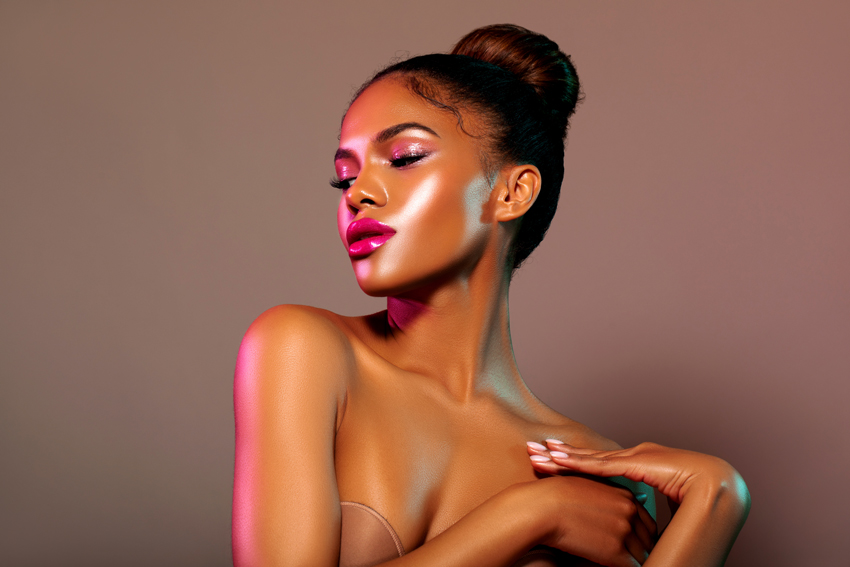
Using Illumination
Group photos look much better if people are arranged in some interesting way, not standing in a row. May be you will manage to talk them into taking some unusual poses.
Watch for the skyline not to cut the head. Avoid branches and posts growing out of heads. When making a portrait take the whole figure. If it doesn't fit in cut legs to the middle of a thigh and arms to shoulders, not hands. And it would be even better asking the person to take some compact pose - to sit down for instace.

Group Photo
Eyes are the essential part of a portrait, that's why they should be the sharpest part of the picture. If you cannot focus on them try do it on the upper button of the shirt, as it is usually on the same focal plane as the eyes.
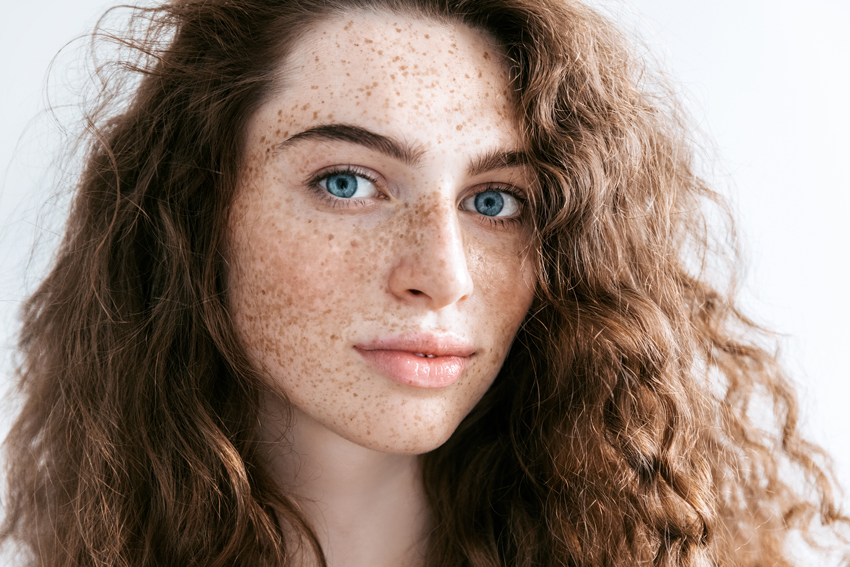
Eyes Focus